
Every warehouse tells a story. Boxes stacked too high because space is tight. Items reordered too early because no one trusted the numbers. Urgent phone calls asking, “Do we still have stock?” These scenes play out daily across Singapore businesses that have outgrown generic inventory software.
A custom inventory management system begins where off-the-shelf tools stop. It does not ask your business to change how it works. Instead, it learns your workflows, your constraints, and your priorities — then turns them into a system that feels less like software and more like an invisible operations manager working in the background.
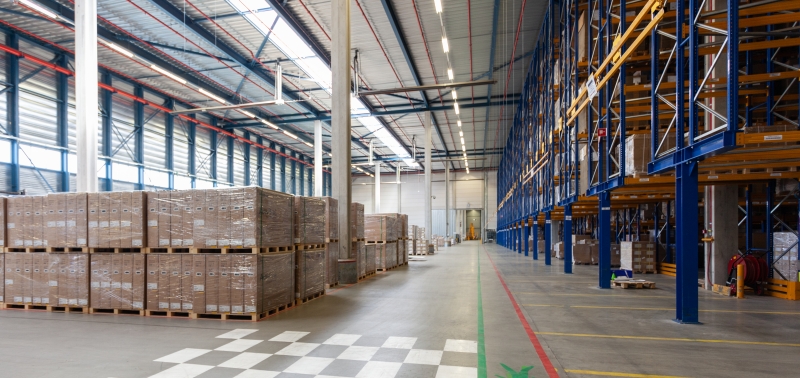
In Singapore, businesses operate under unique pressures. Warehouses are compact. Labour is expensive. Speed is expected. Many companies juggle multiple storage locations, mixed SKUs, and different handling rules for each product. Standard systems treat all inventory the same. Custom systems do not. They recognise that a carton is not the same as a pallet, that one SKU may live in ten locations, and that different clients demand different rules.
Imagine receiving stock without paperwork delays. As goods arrive, barcode scans trigger automatic updates. Quantities are verified, batches recorded, and locations assigned instantly. No spreadsheets. No double entry. No end-of-day reconciliation. The system already knows what has arrived — and where it belongs.
Custom inventory systems also think ahead. Reorder thresholds are based on real consumption patterns, not rough estimates. Slow-moving items are flagged early, before they quietly drain cash flow. Fast-moving products are prioritised, ensuring fulfilment teams are never caught unprepared. Businesses using tailored inventory systems often reduce excess stock by 15 to 25%, simply by aligning inventory logic with real demand.
One of the greatest advantages of customisation is control. Workflows reflect actual roles within the company. Warehouse staff see what they need — nothing more. Supervisors track performance and bottlenecks. Management gains a bird’s-eye view through dashboards that show stock health, turnover rates, and operational risks at a glance.
Integration is built by design, not patched on later. A custom inventory management system connects smoothly with accounting software, ecommerce platforms, ERP systems, and even machines on the production floor. Data flows automatically, removing silos and ensuring every department works from the same source of truth.
Scalability is not an afterthought. As the business grows, the system evolves. New warehouses, new product lines, new rules — all added without disrupting daily operations. Instead of replacing software every few years, businesses build a long-term digital backbone that supports expansion across Singapore and beyond.
At its core, a custom inventory management system is about confidence. Confidence that stock numbers are accurate. Confidence that orders can be fulfilled. Confidence that growth will not create chaos.
For Singapore businesses navigating complexity, custom inventory systems are not a luxury. They are the difference between reacting to problems and staying quietly in control.

