
In Singapore, where space is limited, labour costs are high, and customer expectations are unforgiving, inventory mistakes are expensive. A single stockout can delay production. A single over-purchase can lock up tens of thousands of dollars in dead stock. This is why more Singapore businesses are moving away from spreadsheets and basic software towards smart inventory management systems built for speed, accuracy, and scale.
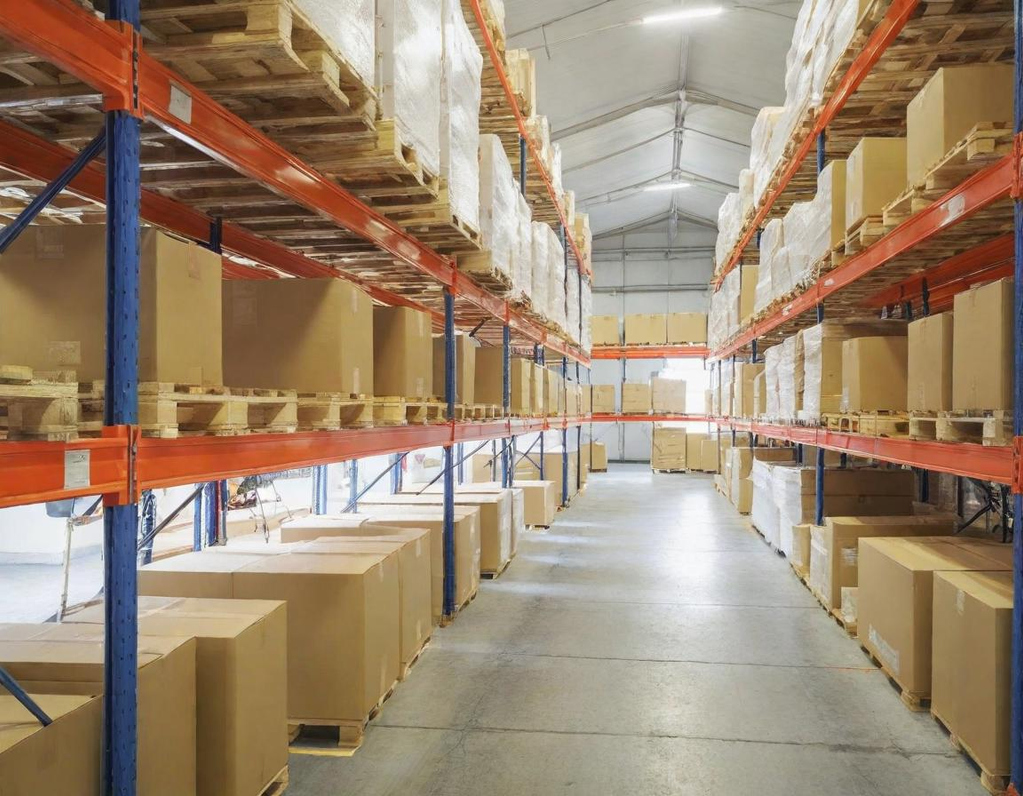
A smart inventory management system does more than record stock levels. It acts as the operational brain of a business. Every inbound delivery, stock transfer, production issue, and outbound order updates inventory in real time. This gives business owners and managers instant visibility into what is available, what is moving, and what is costing money by sitting idle.
Studies show that businesses using real-time inventory systems can reduce stock discrepancies by over 30% and cut excess inventory by up to 20%. In a market like Singapore, where warehouse rental can exceed four dollars per square foot, this reduction directly improves profitability. Less wasted space, fewer emergency purchases, and tighter cash flow control make a measurable difference.
Smart systems also eliminate guesswork. Automated reorder points ensure critical items are replenished before shortages happen. FIFO and FEFO rules prevent ageing stock from expiring or becoming obsolete. For industries such as manufacturing, distribution, healthcare, and food, batch and lot tracking provide traceability that protects both compliance and brand reputation.
What truly sets a smart inventory system apart is automation. Barcode scanning replaces manual entry. Receiving, picking, and packing processes become faster and more accurate. Staff productivity improves because fewer hours are spent counting stock or fixing mistakes. In many operations, companies see picking accuracy rise above 99% once manual processes are removed.
Integration is another major advantage. A smart inventory management system connects seamlessly with ecommerce platforms, accounting software, ERP systems, and even factory machines. Online orders automatically deduct stock. Sales data feeds into demand forecasting. Management dashboards transform raw data into clear insights that support faster decisions.
For Singapore businesses planning growth, scalability matters. Whether expanding to multiple warehouses, opening new retail outlets, or selling across marketplaces, a smart system grows without breaking existing workflows. Instead of rebuilding processes every year, companies gain a foundation that supports long-term expansion.
Perhaps the most overlooked benefit is peace of mind. Business owners no longer need to question whether numbers are accurate. Operations teams no longer chase missing stock. Decisions are made with confidence, supported by live data rather than assumptions.
In today’s competitive landscape, inventory efficiency is no longer an operational detail. It is a strategic advantage. A smart inventory management system empowers Singapore businesses to operate leaner, move faster, and compete stronger — not by working harder, but by working smarter.

