
There is a common misconception among business owners: “WMS is only for large companies.” But ask any SME warehouse manager, and they’ll tell you — small warehouses actually suffer the most from minor mistakes. A single missing item can derail the entire day. One wrong pick can upset a major customer. One inaccurate count can disrupt cash flow for months.
This is why modern SMEs are adopting Warehouse Management Systems (WMS) faster than ever before. Not because it’s fancy software, but because it solves daily pain instantly.
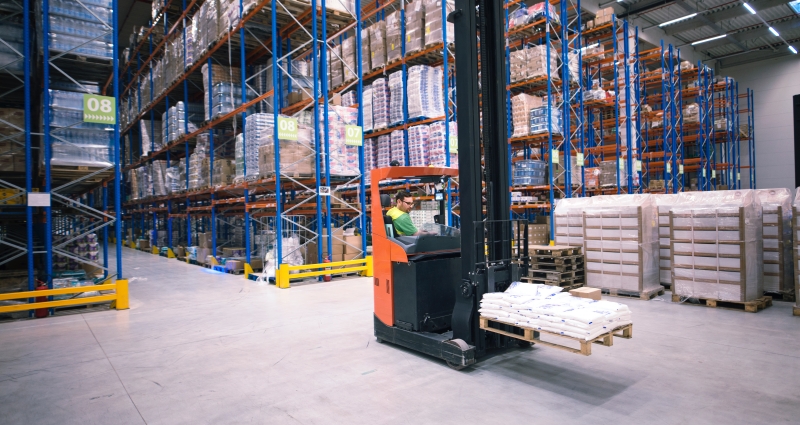
Imagine a typical SME warehouse. Space is tight, manpower is limited, and everyone wears multiple hats. The warehouse supervisor might also handle purchasing. The picker might also do delivery. The admin staff might also handle customer enquiries. With such a lean structure, even small mistakes create big ripple effects.
A WMS becomes the “unseen assistant” that quietly keeps everything on track.
Let’s look at receiving. Without a system, goods are checked manually, and mistakes slip through easily. With a WMS, everything is scanned on arrival. Quantities are verified. Discrepancies are flagged. The system even suggests where the items should be stored. This means fewer disputes, fewer errors, and faster processing.
Next is picking — the heartbeat of any warehouse. SMEs often struggle here because they rely heavily on experienced staff who “know the warehouse by heart”. But what happens when that staff member is sick, resigns, or simply goes on leave? Everything slows down. With a WMS, picking becomes foolproof. The system guides staff to the exact bin location, validates the barcode, and ensures accuracy even with new workers. Suddenly, SMEs no longer depend on “warehouse memory.”
Another major benefit for SMEs is scalability. With manual processes, any increase in order volume causes immediate chaos. But with a WMS, growth becomes smooth because the system absorbs the complexity. Whether the business grows from 500 orders to 5,000, the WMS simply adjusts through automation and optimised workflows.
SMEs also appreciate the cost savings. A WMS reduces the need for repeated stock counting, rework, and additional manpower during peak periods. It prevents costly mistakes like shipping the wrong item or overselling stock. Over time, the system pays for itself — not just through savings but through better customer satisfaction.
What truly makes a WMS powerful for SMEs is control. Business owners gain visibility over every item, every order, every movement. They can track performance, identify bottlenecks, and plan resources more effectively. No more guessing. No more hoping. The warehouse becomes predictable and professional.
In short, a WMS gives small warehouses the superpowers of big players — speed, accuracy, visibility, and scalability — without requiring a huge team or massive budget. It levels the playing field, empowering SMEs to compete confidently and grow sustainably.

