
As businesses grow, complexity naturally increases.
More enquiries come in.
More leads need to be managed.
More follow-ups are required to close deals.
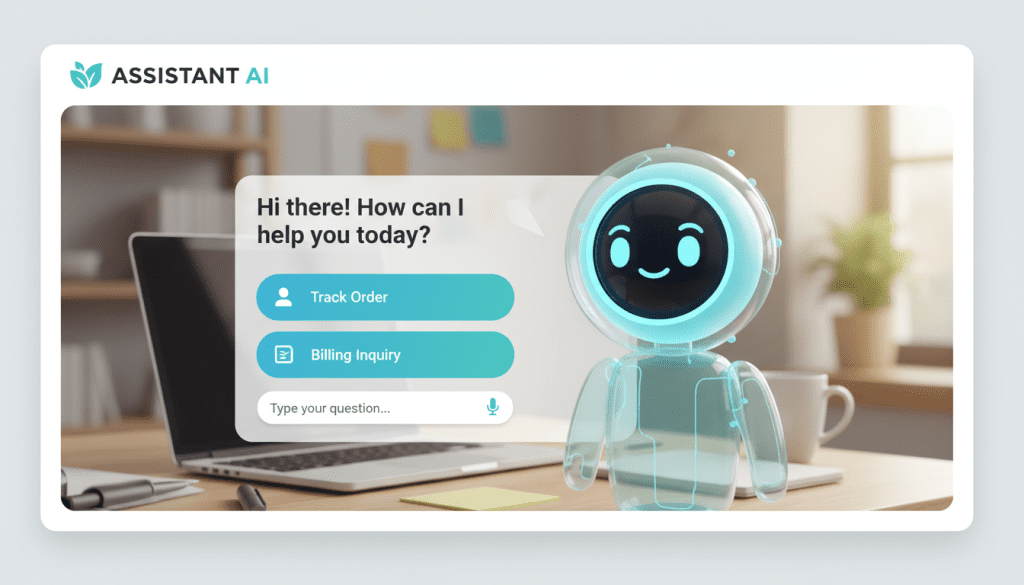
Without a proper system, things start to slow down. Important details get missed, responses become inconsistent, and sales performance begins to fluctuate.
This is where artificial intelligence and business systems become essential.
Instead of relying on fragmented tools or manual processes, AI brings structure into how a business operates. It connects different parts of the workflow, from lead generation to follow-up, and ensures everything runs in a more organised and efficient way.
Efficiency is not just about working faster.
It is about removing friction.
AI helps reduce the time spent on repetitive tasks such as replying to common enquiries, updating lead status, scheduling follow-ups, and tracking conversations. These tasks may seem small individually, but together they consume a significant amount of time and energy.
By automating them, businesses free up resources to focus on what actually drives results, which is closing deals and building relationships.
At the same time, AI improves sales performance by making the process more consistent.
Instead of relying on memory or manual tracking, every lead is recorded, every interaction is logged, and every next step is clearly defined. This reduces the chances of missed opportunities and ensures that no potential client is left unattended.
Consistency is often the hidden factor behind strong sales results.
When every lead is treated with the same level of attention and follow-up, conversion rates naturally improve. AI ensures that this consistency is maintained, regardless of how busy the team gets.
How AI systems improve efficiency and sales performance:
- Automate repetitive tasks such as follow-ups, data entry, and scheduling
- Centralise all lead and customer information into one system
- Ensure every enquiry and lead is properly tracked and managed
- Provide insights into which opportunities are more likely to convert
Another key advantage is visibility.
Business owners and managers no longer need to rely on guesswork to understand performance. AI systems provide a clearer view of the sales pipeline, showing where leads are coming from, how they are progressing, and where potential bottlenecks exist.
This allows for better decision-making and more targeted improvements.
AI also supports scalability.
As the number of leads increases, manual systems tend to break down. Teams become overwhelmed, and performance becomes inconsistent. With AI in place, the system is able to handle higher volumes without losing structure or control.
This means businesses can grow without compromising on quality or efficiency.
Over time, the impact becomes more noticeable.
Processes become smoother.
Response times improve.
Sales outcomes become more predictable.
Artificial intelligence and business systems are not just about adding technology into operations. They are about building a stronger foundation that allows the business to function more effectively at every stage.
When efficiency improves, performance follows.
And when performance becomes consistent, growth becomes sustainable.

